
Blind & Shade Cleaning Across the Phoenix Metro
Hand Cleaned, Slat by Slat, Right Where They Hang
Blind cleaning is a craft here, not a courtesy. We hand clean blinds, shades and shutters in homes across Scottsdale, Paradise Valley, Fountain Hills, and the Phoenix Valley. Blinds are the most-touched and least-cleaned surface in the house. They sit directly in the path of every particle that comes through a window, they get handled daily, and they go uncleaned until the buildup is impossible to miss.
Our blind cleaning happens by hand, slat by slat, while everything stays mounted. Nothing comes down, nothing leaves the house, and your windows are never left uncovered.

What We Clean
We hand clean every common residential window covering on site, including:
- Horizontal blinds
- Vertical blinds
- Faux wood blinds
- Real wood blinds
- Aluminum and metal mini blinds
- Vinyl blinds
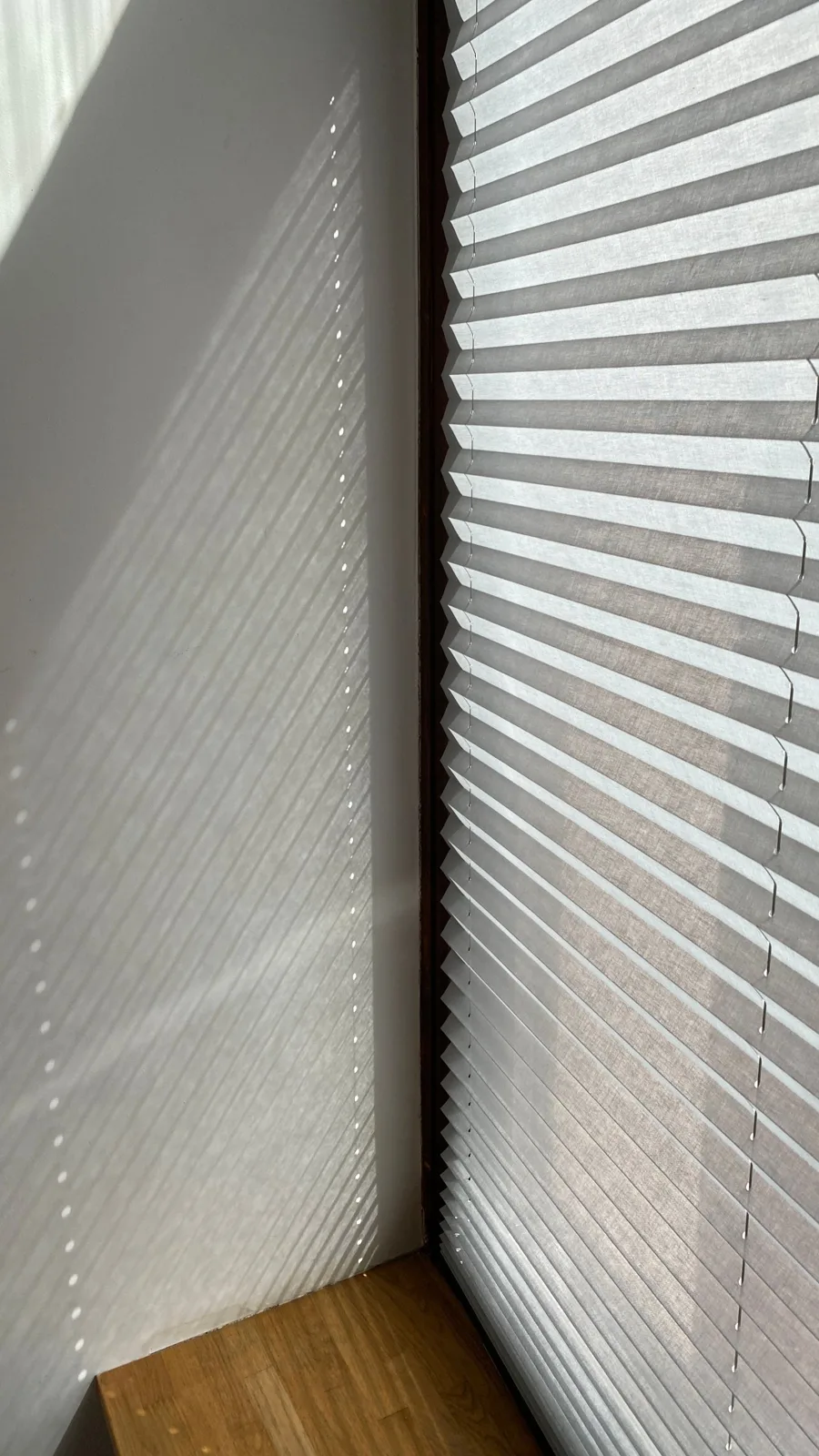
- Cellular and honeycomb shades
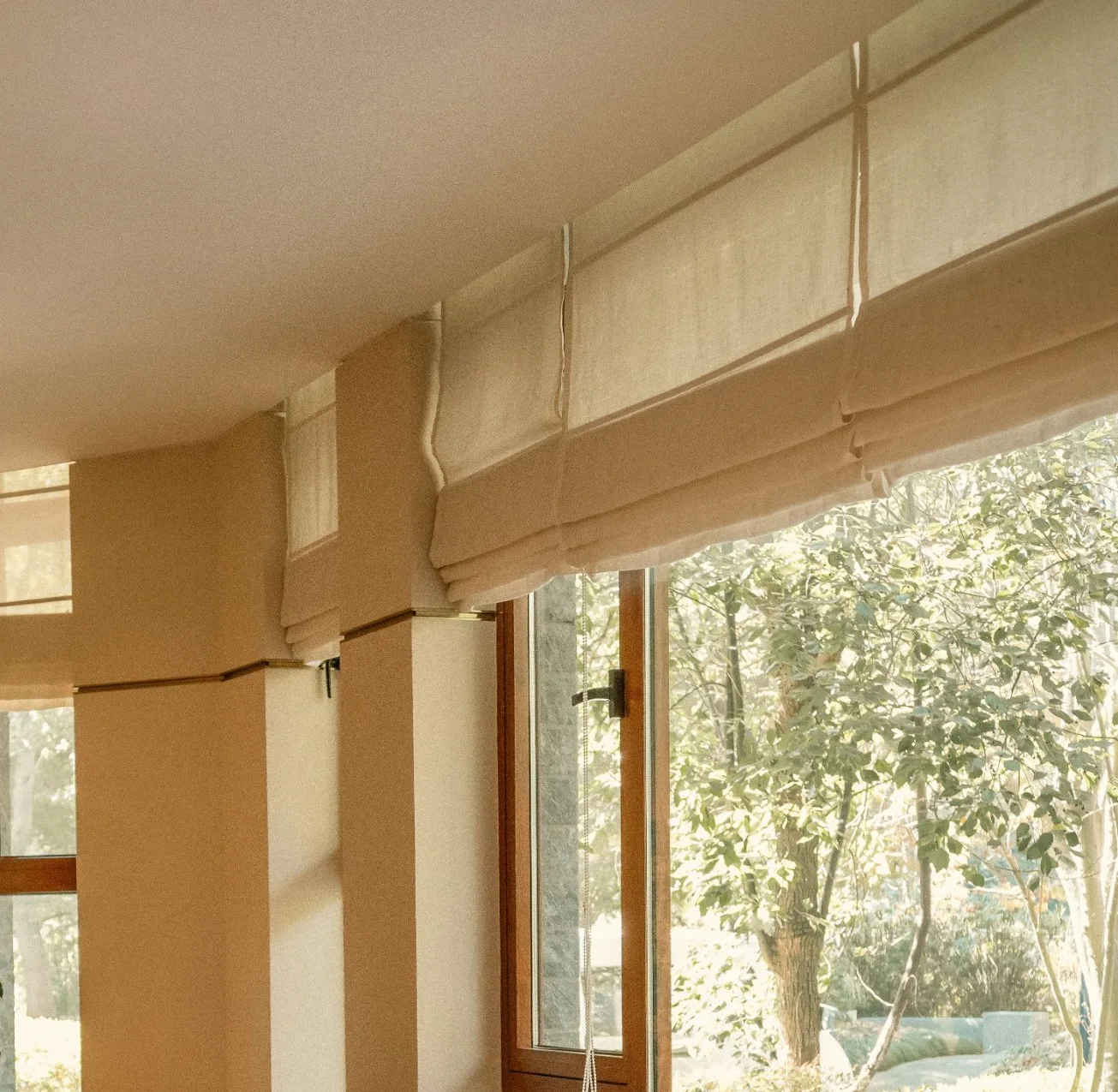
- Roman shades
- Roller and solar shades
- Woven wood and bamboo shades
- Plantation shutters
Drapery on the same windows? We clean pleated, lined, and sheer panels on the rod. See our drapery cleaning.
Area rugs in the same room? We clean those right where they lie. See our area rug cleaning.
Optional treatments:
- Protectant: $10 to $15 per blind
- Cord cleaning: $50 per cord
- Wands, headrails, and blind valances: always included
Signs Your Blinds Need Cleaning
Blinds hide dust well, right up until they don't. Then it shows all at once.
Look for:
- Visible dust ridges along the top edge of each slat
- Slats that feel gritty or tacky when you tilt them
- Grimy buildup on cords, wands, and pull chains
- Yellowing or discoloration on white blinds
- Kitchen blinds with a greasy film that dusting won't lift
- Bathroom blinds with mineral spotting or mildew
- Dust visibly airborne when you open or tilt them
When dusting leaves streaks or just moves the grime around, the blinds need a real cleaning.
Our Approach to Blind Cleaning
Every material takes different handling. Real wood cannot take the moisture faux wood shrugs off. Cellular shades hold dust inside their pockets and cannot be scrubbed. Woven wood is textured and delicate. Vinyl and aluminum take far more.
We identify the material first and clean to match it. Every slat, top edge included, plus the headrails and hardware, which are the dirtiest part and the part other cleaners skip.
We clean your blinds based on what they're made of, not the same way for every blind.
Why Hand Cleaning, In Place
The alternative is pulling your blinds down, tank cleaning them off site, and reinstalling them days later. That is where the damage happens: brackets get bent on removal, cords and mechanisms get strained, blinds rehang crooked, and your windows sit uncovered the whole time.
Hand cleaning in place removes every one of those risks. Blinds stay mounted, mechanisms stay untouched, and the work is finished the same day. It also reaches what tank cleaning never addresses without disassembly: the headrail, the brackets, and the sill.
What to Expect on Cleaning Day
An appointment runs one to three hours depending on how many blinds you have and their condition. Kitchen and bathroom blinds take longer than bedroom blinds because of grease and mineral buildup.
There is nothing to prep. We work around your furniture and window treatments. Blinds are usable immediately and dry within minutes.
When drapery or rugs are on the same visit, we sequence the work so we are in each room once.
Common Blind Materials We Clean
Material dictates method. Getting it wrong is how blinds warp or discolor:
- Faux wood and vinyl: durable, handles moisture well, the most forgiving
- Real wood: moisture-sensitive, prone to warping, swelling, and finish loss
- Aluminum and metal: durable but thin, slats dent under pressure
- Cellular and honeycomb: holds dust inside the cells, needs careful handling
- Roman and fabric shades: handled as textiles, tested before cleaning
- Woven wood and bamboo: natural fiber, textured, needs a lighter touch
- Plantation shutters: wood or composite, louvers and frames both need attention
Not sure what you have? We identify it on arrival.
Why Valley Homes Need Blind Cleaning
Arizona dust is fine, abrasive, and constant. It comes in through every window and settles on the first horizontal surface it finds, which is the top edge of every slat in your house. A single blind can have thirty of those surfaces.
Homes here also run air conditioning for months with the windows shut, pushing the same air past the same slats over and over. Add kitchen grease, bathroom humidity, pet dander, and monsoon dust storms, and blinds here carry more buildup than in most climates. Years of sun can permanently yellow or fade some slats, and cleaning removes the grime, not the sun damage.
Dusting moves it around. Hand cleaning removes it.
Ready For Cleaner Blinds?
Schedule online in minutes. Every blind is cleaned without coming down.
Why Blinds Belong With a Specialist
Most companies will not touch blinds, or they dust them as a courtesy while doing something else. We clean them properly, by hand, as a dedicated service.
We identify the material, clean every slat including the top edges, and handle the headrails and hardware that get ignored elsewhere. Textiles are all we do, in homes throughout Scottsdale, Paradise Valley, and most of the Phoenix metro.
Having drapery or area rugs done too? Pair them in one booking and the visit is priced as a whole.
Blind Cleaning FAQs
Ready to book? Add your windows to the instant estimate and pick a time.
Do you take my blinds down to clean them?
No. We clean them by hand while they stay mounted, so your brackets and mechanisms are never disturbed. Your windows stay covered and the work is done the same day.
How do you clean them?
By hand, slat by slat, including the top edges where dust collects. The method is set by the material, and the wands and headrail are cleaned too, since those carry the most grime.
Can you clean wood blinds?
Yes. Real wood warps or loses its finish when cleaned with too much moisture, so it gets different handling than faux wood or vinyl. We confirm the material before we start.
Do you clean cellular or honeycomb shades?
Yes. Cellular shades hold dust inside the cells and cannot be scrubbed like a hard slat. They take a lighter touch and more time.
Do you clean plantation shutters?
Yes. Louvers, frames, and tilt rods all collect buildup, and shutters are wood or composite, so material matters. They take longer than standard blinds because of the surface area.
What about kitchen blinds with grease?
Those need it most. Cooking residue bonds with dust into a film that dusting will not touch, and it takes longer to clean than a bedroom blind. Flag them when you book so we plan the time.
How long does it take?
One to three hours for most homes, depending on how many blinds you have and their condition. Kitchen and bathroom blinds take longer than the rest.
How often should blinds be cleaned?
Once a year. More often for kitchens, bathrooms, homes with pets, and windows left open during monsoon season.
Can you do blinds, drapery, and rugs in the same visit?
Yes, and it is the efficient way to do it since we are already in the room. Add everything to one estimate and we book it as one visit.
How much does blind cleaning cost?
Blind and shade cleaning is priced by size, since a slider takes more work than a bathroom window. A typical home of about 20 blinds runs about $1,800 to $2,500. Blind valances are included at no extra charge. Real wood blinds and fabric shades take more care and are priced slightly higher, and oversized or specialty coverings are quoted after inspection. Buildup decides where each blind falls in its range. Baked-on dust and kitchen grease take longer, and each blind gets the time it needs.
Every slat is hand cleaned in place, top edges, wands, and headrails included. That is the difference between blinds that were cleaned and blinds that were dusted.
Protectant is $10 to $15 per blind, and cord cleaning is $50 per cord, since cords are detail work done strand by strand.
Every estimate is free. Size your windows in the instant estimate to see your range, and the firm price is set on site before any slat is touched.